


Rossetti Gallery tips: exhibitions you can visit during July and a book about the art world.
To receice our recommendations subscribe to our Newsletter!
the July Art Exhibitions recommended by the rossetti gallery
Genoa – Museo d’Arte Orientale E. Chiossone
Muses and Heroines. Women in Japanese Art between the 17th and 19th centuries
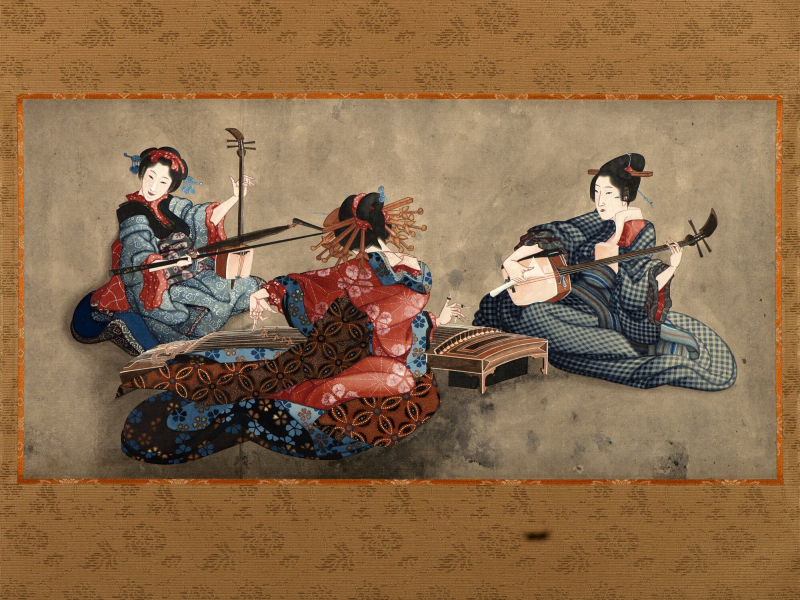
A temporary exhibition that presents a focus on the Japanese woman, beyond the stereotypes of the geisha, recounting the real and multiple roles of female figures through works from the Chiossone Collection.
Women as Heroines, female figures who have excelled, in a country dominated by men, in their arts. First and foremost, the extraordinary Katsushika Oi, daughter of Japan’s most famous artist, Hokusai, and his brilliant pupil. In addition to Oi’s, the stories of female writers, poets and even warriors will be told, who distinguished themselves for their talent, still a source of inspiration for future generations. Muses and heroines are in fact also the ordinary women, workers portrayed in their trades or mothers caring for their children, who we find in ukiyoe prints and paintings, offering us a glimpse into the daily life and female customs of the time.
Until 16 November 2025
Rome – Fondazione Memmo
Anthea Hamilton. Soft You
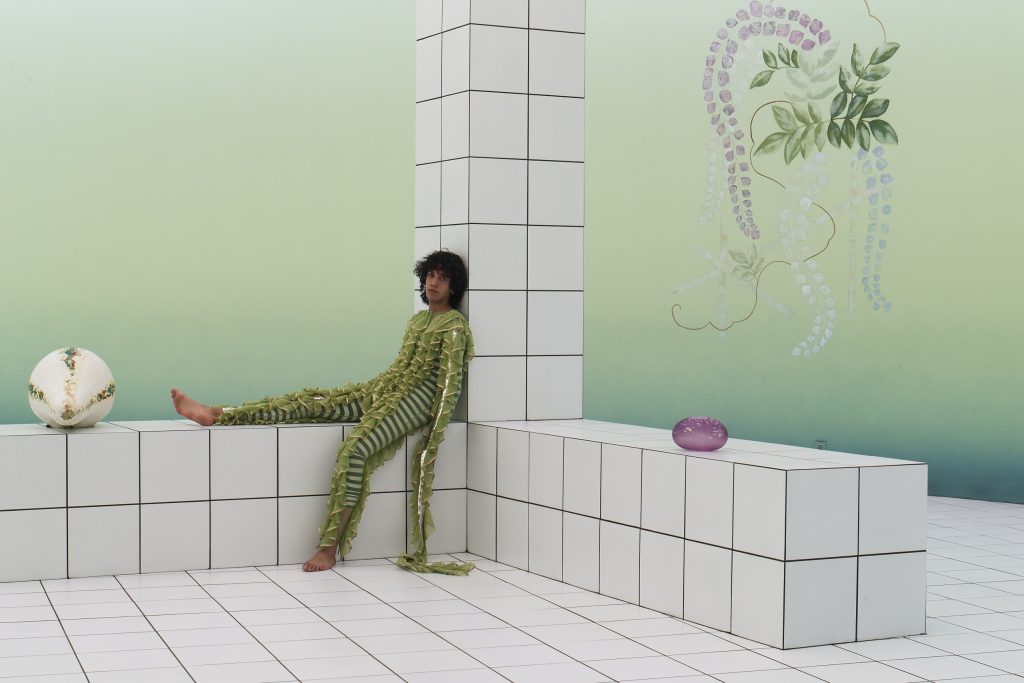
Hamilton’s practice places installation, sculpture, film and performance in dialogue to rework visual content belonging to the dominant culture, investigated through a subjective lens that suggests a shift in perception. With immersive installations and environments, the artist presents a reality in which gender roles, sexuality, domesticity and different cultural traditions are explored as fluid and ever-changing notions.
Soft You, whose title is borrowed from Othello’s last soliloquy in Shakespeare, redefines three pivotal points of Hamilton’s research: the Shakespearean protagonist, the city of Rome and the artist’s own practice.
Until 2 November 2025
Bilbao – Guggenheim Museum
Barbara Kruger: Another day. Another night.
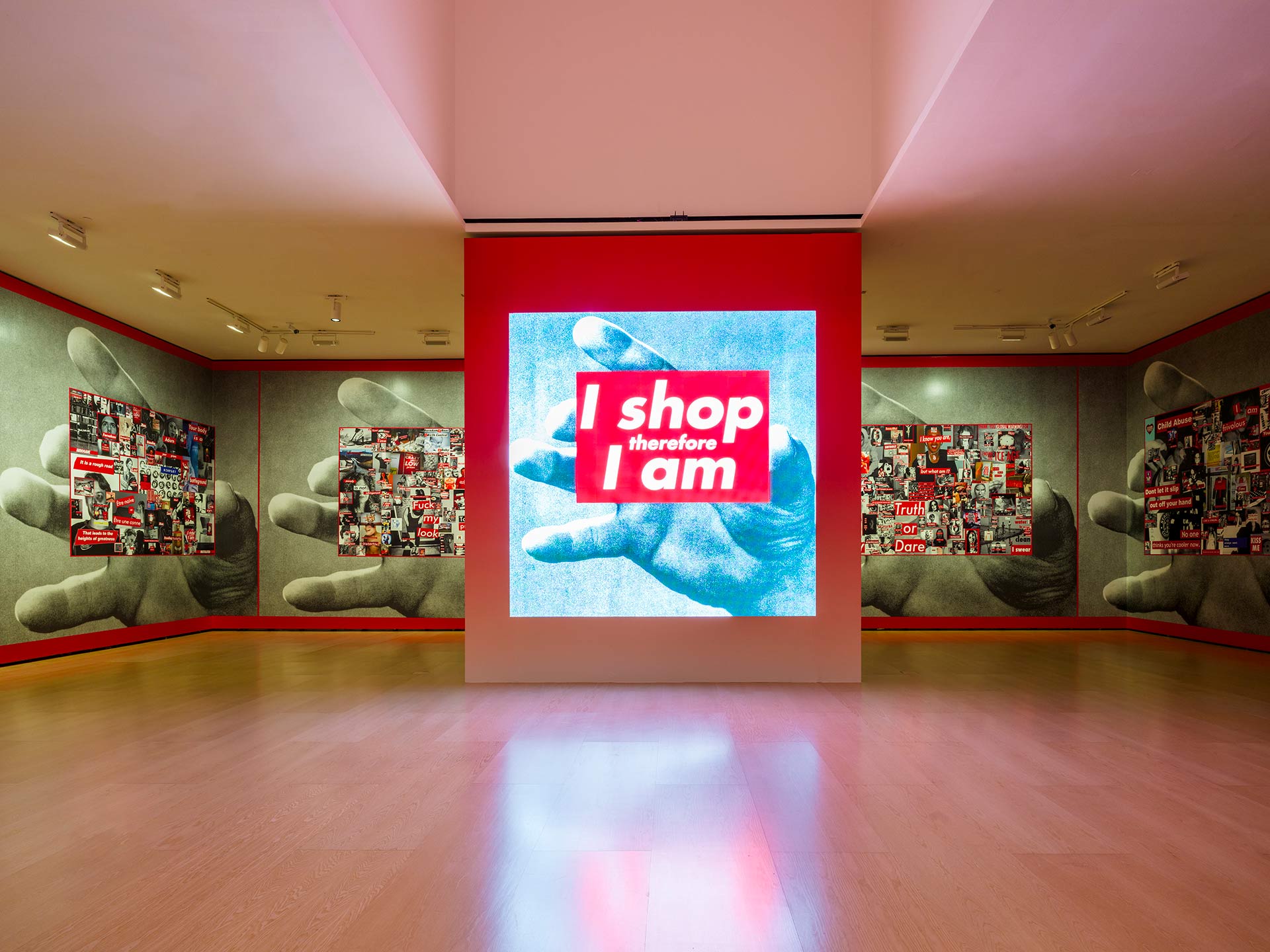
The Guggenheim Museum Bilbao presents the first comprehensive exhibition in Spain of the American artist Barbara Kruger, whose bold and challenging work has captivated audiences for over five decades. This comprehensive exhibition explores how Kruger harnesses the power of words and images to question the structures that shape our everyday lives: identity, desire, truth and control.
As the author says, “language is a powerful force and it defines us”. In an age where information is constant and truth seems increasingly unstable, Kruger’s work encourages us to slow down, read carefully and think deeply. With wit, urgency and visual precision, the artist reminds us that images speak and that we must too.
Until 11 September 2025
Berlin
13th Berlin Biennale
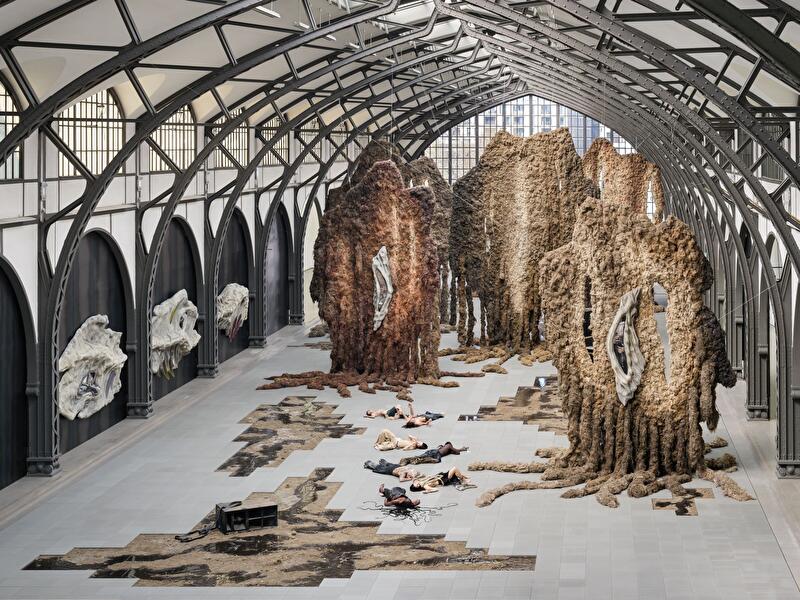
The Berlin Biennale for Contemporary Art, founded in 1996, has become one of the most important international forums for contemporary art. Each edition brings together the most influential current positions of artists, theorists and practitioners from different fields in one of Europe’s most culturally advanced cities.
It explores international artistic developments of the present that make the unseen and the unknown tangible. Each edition brings together artists, theorists and interested audiences from different areas of society, opening a dialogue with the city’s inhabitants.
Until 14 September 2025
The recommended book
Le rovine di Parigi
Sebastian Smee
Rizzoli
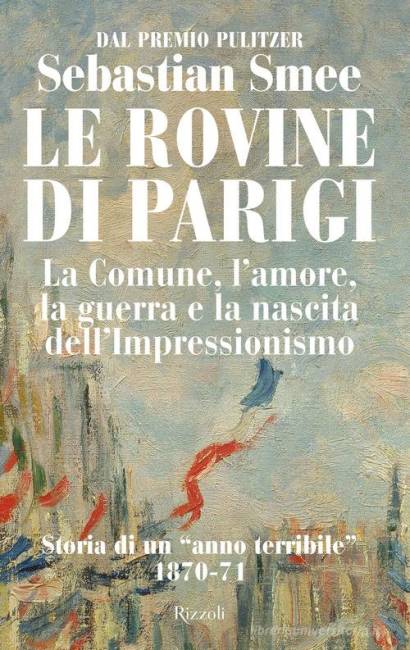
Pulitzer Prize-winning art critic Sebastian Smee reveals how it was not a world of placid gardens and elegant water lilies that formed the backdrop to the birth of the Impressionist movement, but those tumultuous days. With gripping prose and rich anecdotes, Smee recounts the dramatic months of 1870-71 through the eyes of the protagonists of Impressionism: Manet, Morisot and Degas, trapped in Paris during the siege; Renoir and Bazille, enlisted in the regiments outside the capital; Monet and Pissarro, who fled the country just in time. And again Hugo, Gambetta, Baudelaire, Nadar, Zola – figures who intertwined politics, art, literature and journalism in the dense intellectual panorama of a city in transformation -, amidst bourgeois salons and barricades, balloons and works of art packed to escape from the Louvre.
Did you like our tips? To receive them every month, subscribe to our Newsletter!

